By Rev. Chris Brouillard-Coyle
THE SOCIAL MEDIA post highlighted a reflection from Martha, a 74-year-old recently retired ER nurse.
She shares how she had attended a Career Day at a local High School where a tech entrepreneur was on her left and a corporate lawyer on her right making her story drastically different. She didn’t talk about making that first million, big offices, or stock options. Instead, she talked about walking down an empty hall listening for the ventilator and praying for a stranger’s lungs to expand one more time.
She talked about the holy silence that falls over a room when a doctor calls the time of death. She talked about washing the body of a homeless veteran with the same tenderness as a king because he was a human being deserving dignity. She talked about fear, and compassion, and grief, and exhaustion. She talked about seeing the invisible people and valuing what they bring to this world. She talked about making a difference and helping people.
The story is intentionally designed to tug at our heartstrings and remind us that there are other priorities in this world. It even included a letter from a student who had attended that day. Years later, he had become an EMT. He was no longer ashamed that his father is a janitor. He recognises that everyone has value and he ‘gets it’. Martha concludes her reflection with a plea. Don’t ask young people where they are going to university. Ask who are they going to help and tell those who show up for others that we are proud of them.
This advice has relevance for Churches too. During vestry season it is easy to get overly fixated on numbers. We spend a lot of time looking at numbers in our budgets and numbers of people in the pews. This is, after all, what we submit to the diocese. But these numbers don’t necessarily tell the whole story. What would it look like to measure how many people we show up for, how many we help? We do this in so many creative ways that are important and truly reflective of how we are serving God and the Gospel.
There are churches with food banks, clothing cupboards, and meal programs. Many keep track of how many people use these programs, how many are fed and clothed. Why not include this metric in our annual reporting not only in our vestry reports but in the statistics we submit to the diocese as a reminder to each other that this is a vital part of who we are as people of faith?
There are congregations who offer items that bring comfort and support to others like prayer quilts, fidget blankets, and knitted or crocheted items. How many of these have been distributed? How many other donations of items, resources, or money have been made to support the needs of those beyond our congregations throughout the year? What would it look like to expect to share that information with the diocese as part of our annual reporting?
There are congregations who actively advocate alongside marginalised groups, helping provide visibility, safety, and support as needed. They create vital safe spaces for groups to gather in meaningful, purposeful ways. This is helpful too and can be measured and reported highlighting how many people across the diocese congregations show up for, and how many have experiences of us that make a difference for them. Reporting this information reminds us how important this work is for all of us.
Our Marks of Mission include responding to human need with loving service and transforming unjust structures of society, challenging violence of every kind and pursuing peace and reconciliation. These are helping tasks. What does it look like for us to reflect on how we, as churches, help others as we engage in our vestry work and report that work to the diocese? What does it look like to measure our helping? What does it look like to make helping part of our goals as congregations and as a diocese each year?
As we engage in our annual vestry conversations this year, may we look beyond the standards of people in pews and dollars on plates and challenge ourselves to honestly and compassionately reflect on how many people we help, to what extent we make a difference beyond our pews. Through this reflection may the Spirit inspire our priorities and practices for the coming year not only in our congregations but in this diocese as a whole.
Rev. Chris Brouillard-Coyle is a co-chair of SEJH.
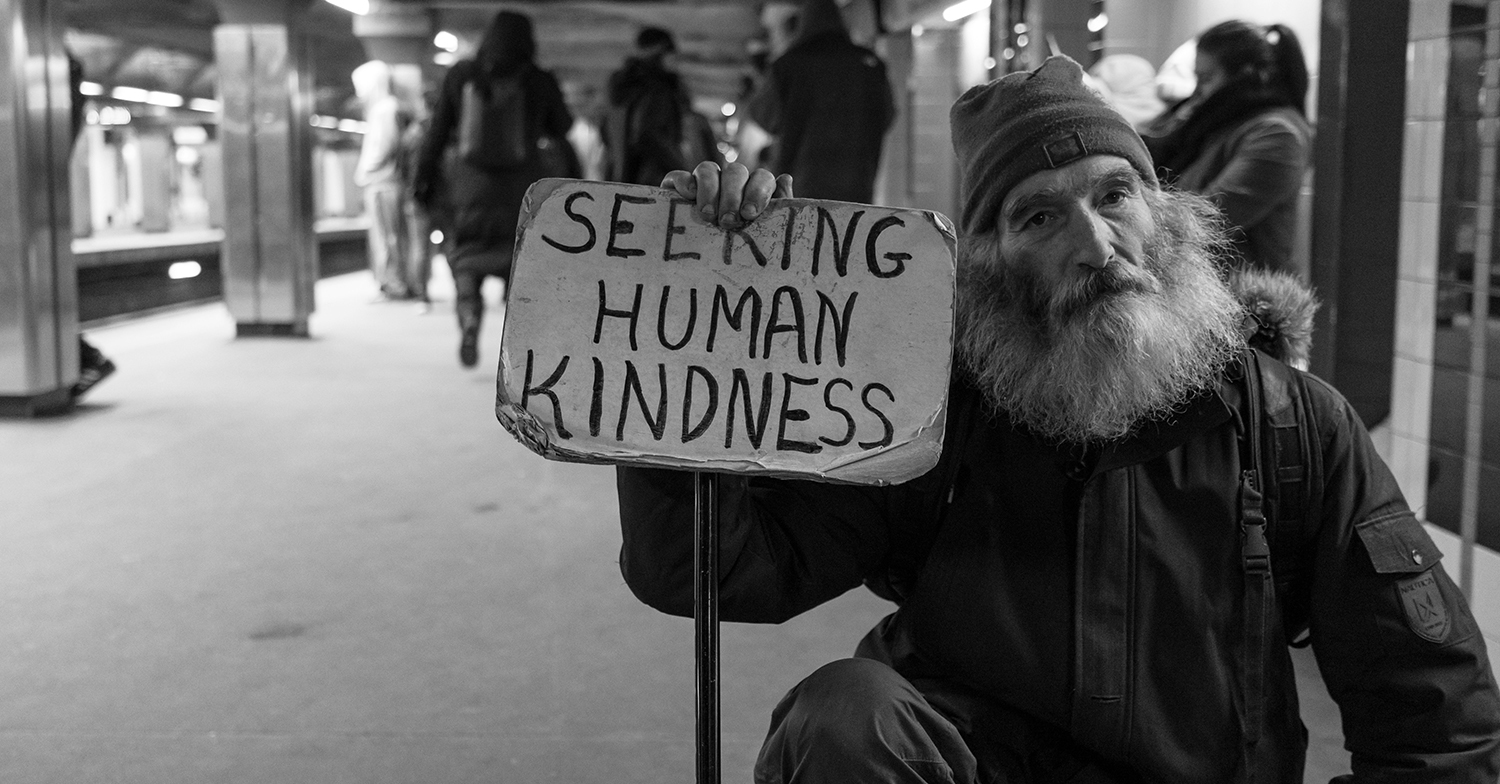
Photo: Matt Collamer/Unsplash