Nostalgia , memory, reflection and transformation

A VIEW FROM THE BACK PEW
By Rev. Canon Christopher B. J. Pratt
MY GRANDFATHER served as a soldier in the British Army during the First World War.
As a student of history, I tried on a number of occasions to get him to share with me some of the memories of his time of military service. Moments of personal pain and suffering or having witnessed others who were facing their own pain, suffering or death are not stories which were easy to tell.
Often, he would lapse into the silence of his own memories, memories where the experiences of the past were indelibly etched into his heart and mind. The moments of his past were forever locked away as our conversations moved on and we talked about other things.
My Grandmother, who was also born in England at the end of the nineteenth century was able to speak freely of the changes she had experienced in her life. Immigration to the New World, the transition in day to day living which led into the radical reality of indoor plumbing and eventually watching human beings walking on the surface of the Moon were all part of her life experience. It was easy for her to think about the transitions themselves without colouring her memories with a sentimental longing for the past.
My parents, as they lived through the twentieth century, talked about the opportunities and challenges which they faced in their lives. Living through the Great Depression, the Second World War, finding each other, starting their lives together and our family life all had stories attached to moments which were easy to tell... I had the opportunity to add to some of those stories from my own perspective as together we remembered special times we lived together through the years.
When I speak of my life experience with my own family, there is the temptation to go into detail as I reflect on moments, on places and people who I have met along the way. Telling stories to the same familial audience over the years, gives me hope that they will be remembered and will be shared, at some point with the next generation.
The experience of generational heritage and storytelling is an essential part of family life. We have a need, at some point, to look into the past and remember, or even discover, how we arrived at where we are in our lives. We may choose to watch programs which are offered for our entertainment where we observe the path individuals follow as they journey into their own family history and how they respond to the discoveries that they make along the way.
It is interesting to note that the reflections offered by my Grandparents, my Parents, or my own life story are not weighed down with a sense of nostalgia. Although the past of each generation is populated by individuals whose presence has enhanced our lives, I do not recall hearing from past generations of my family a wistful yearning to return to the past.
In recent days our Prime Minister noted the reality of our changing times when he said:
The old order is not coming back. We should not mourn it. Nostalgia is not a strategy. (Davos, Jan. 2026)
As we live out our Christian faith as Anglicans, there has often been an acknowledgement that many of us do not welcome, or even know how to adjust, to change, well. I suspect that many of us have heard a joke with a variety of endings which begins with, “How many Anglicans does it take to change a light bulb…?“ I will leave you to fill in the punch line.
The emotional and devotional reality of the season of Lent is that we specifically take time to reflect on the past in general and our own past in particular. This is not a moment for nostalgia, but rather a time for penitential reflection.
As a result of this season of reflection, we are challenged to undergo a personal transformation.
On Good Friday we have the opportunity to pray for God’s world to be transformed when we pray:
Let the whole world see and know that things which were cast down are being raised up, and things which were old are being made new… (BAS pg. 313)
On another level we seek Divine forgiveness and a new personal perspective when we pray:
We pray you of your mercy, forgive us all that is past, and grant that we may serve you in newness of life to the glory of your name. (BAS pg. 308)
Lent is not a time for nostalgia when we remember filled churches and burgeoning Sunday Schools. Lent is not a time to mourn closed church buildings and moments of the past. Lent is a time for examining how the Holy Spirit is living in the church community we have identified as our spiritual home. Lent is a time when we look at the mirror at the reflection of one of God’s children and seek to discover how that person may serve our Lord and best live the miracle of life each day.
May the Season of Lent 2026 be a time of transformation for us all.
Rev. Canon Christopher B. J. Pratt has retired from full-time parish ministry but continues to offer priestly ministry in the Diocese.
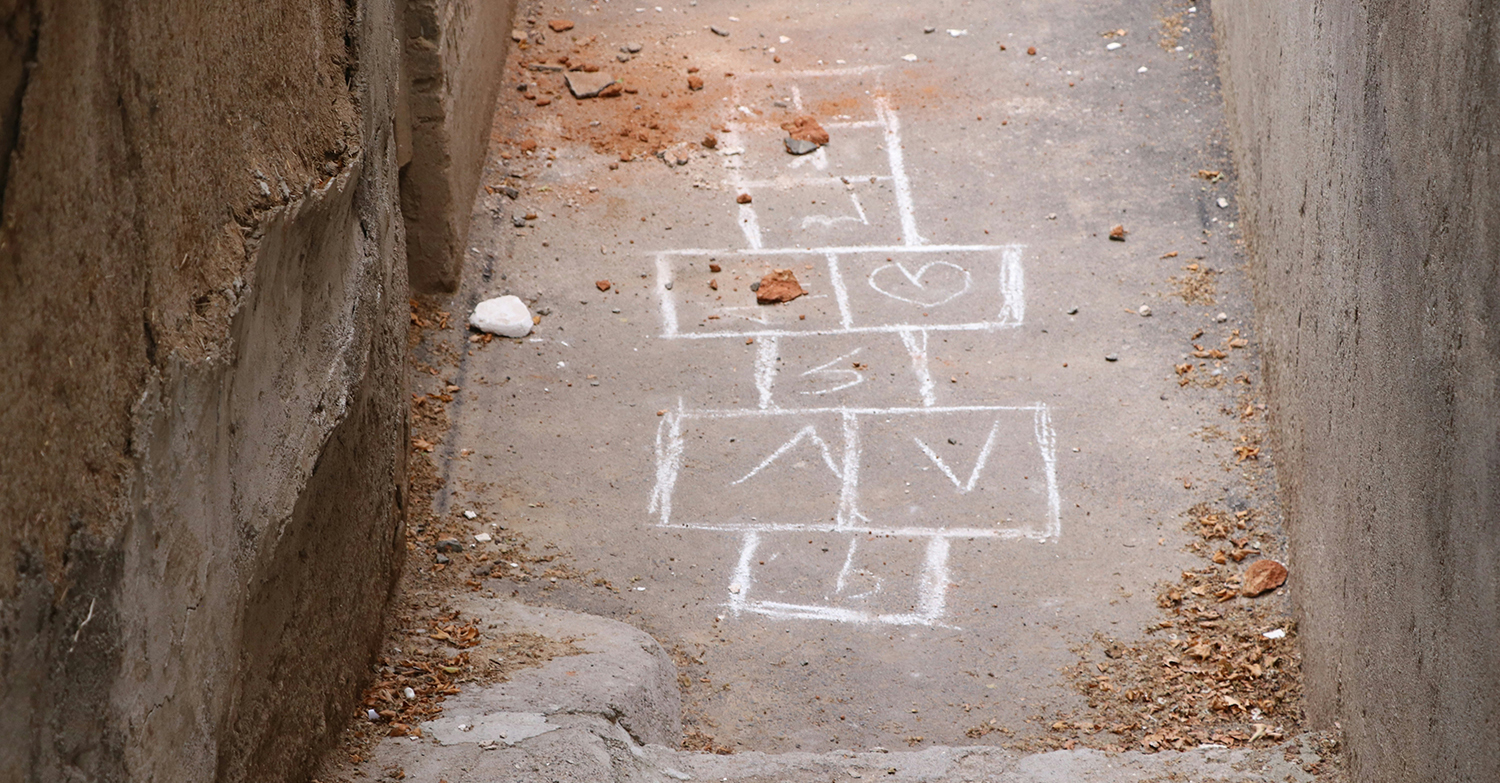
(Photo: Mohammad Reza/Unsplash)