By Rev. Chris Brouillard-Coyle
THROW IT AWAY! Out of sight, out of mind as the saying goes.
The handy availability of garbage bins in today’s world is a wonderful convenience. We have the privilege of not needing to think too much about what happens to our waste once we put it in the garbage can and place that by the roadside.
Contemporary recycling and composting programs are trying to challenge that, for good reasons. In 2024, Ontario generated approximately 16.88 million tonnes of waste with 12.75 million tonnes disposed of in landfills. Of that total, 9.31 million tonnes remained in Ontario, and 3.44 million tonnes were shipped to the US. Ontario has an estimated 125.61 million tonnes of approved landfill capacity. If nothing changes, it is estimated that we will run out of landfill space by 2037. If the US stops accepting our garbage, that date becomes 2034. (See https://www.w2ro.org/articles/2025-w2ro-state-of-waste-in-ontario-landfill-report)
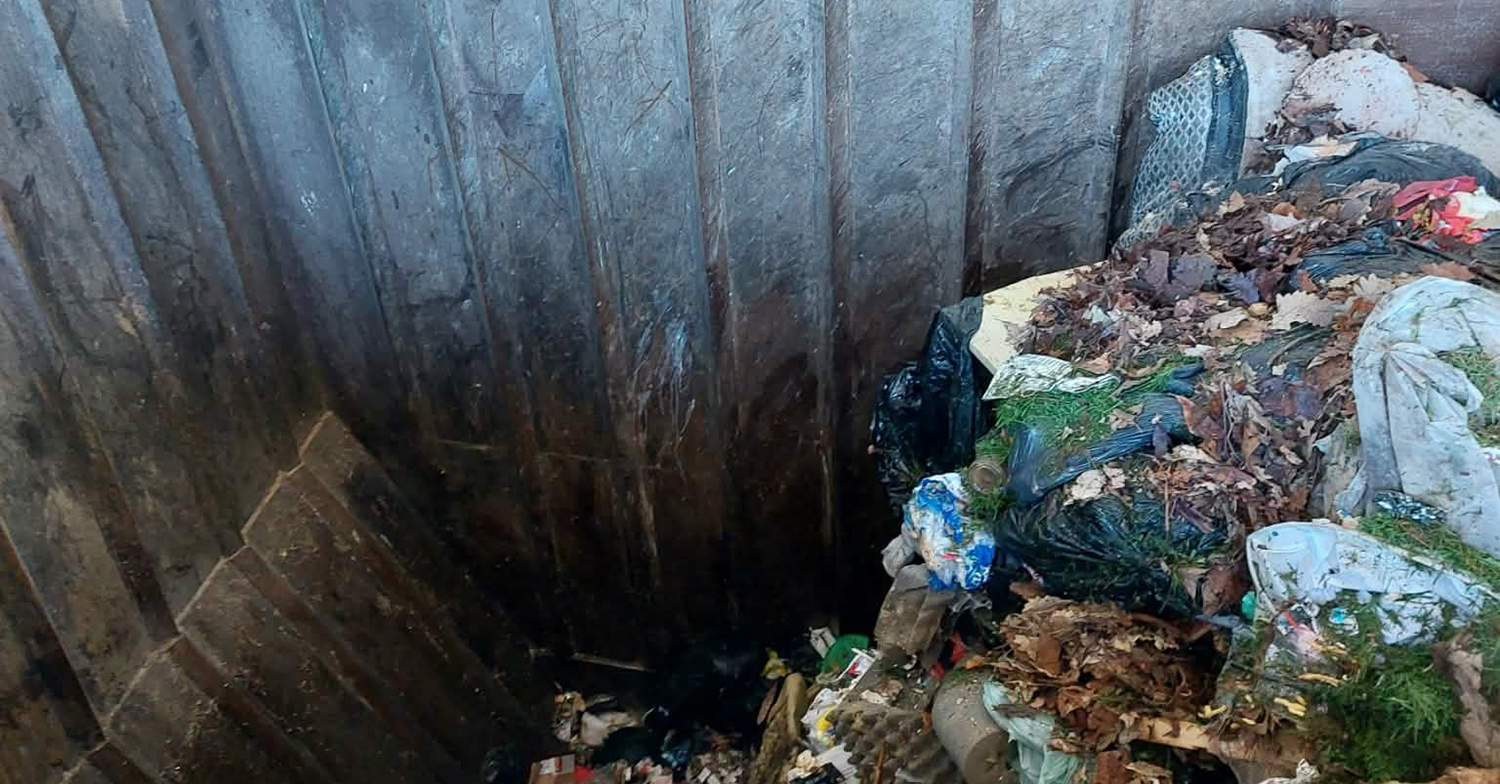
Where garbage goes is just the tip of the iceberg. While filming a video for Earth Day, I had the opportunity to watch a local garbage truck dump its load. One single truck picks up about 30 blocks worth of garbage. As the bags of refuse dropped, I could see a child’s pail, a mattress, metal rods, wood, lots of plastic, and an overall diversity of items that would all be left to decompose together. This diversity can slow that process.
Take that mattress, for example. When it lands on top of food, it deprives that food of the air and water it needs to decompose significantly slowing the process. This is why it is so important to separate food scraps into a separate compost bin. As an added bonus, where composting facilities are available, that decomposed food becomes a valuable resource for gardens because God with incredible wisdom created a world where life comes from death.
Similar arguments can be made with recyclable materials. These materials don’t need to be in landfills. We can reuse and repurpose them to our benefit. We have the technology!
Throughout the province we now have access to an enhanced recycling program such that what is accepted is standardised everywhere. Check out https://www.circularmaterials.ca/resident-provinces/ontario/ for the full list of materials now accepted in Ontario recycle bins. Making sure these items are rinsed and included in recycling rather than thrown in the garbage is a simple way to reduce our individual contributions to landfill.
We can also consider waste when making purchases. I had a friend who challenged herself to keep her weekly waste to what she could fit in a jar. She was so attentive that she even noticed the plastic stickers found on produce and tried to shop at local farmers markets where they didn’t use those stickers. How intentional can we be in the choices we make to reduce what we throw away?
There are a lot of things we take for granted. It is a privilege that we don’t have to think much about what we throw away. The consequences of that privilege, however, are significant. Google the “great pacific garbage patch” when you need a reminder that there is no ‘away’. Garbage doesn’t just disappear. In our Baptismal Covenant and in our Marks of Mission we are challenged to seek to safeguard the integrity of God’s Creation and sustain and renew the life of the earth. May we continually choose to be attentive to what we do with our refuse and make better choices to reduce, reuse, recycle, repurpose, and compost.
Rev. Chris Brouillard-Coyle is a co-chair of SEJH.